
The New Currency: How Collaboration Became the Advantage That Wins
The most expensive assumption in community and economic development today is, “We can do this ourselves.” Not because organizations lack talent—they often have plenty. The challenge is that development is no longer a single-lane project; it is a multi-stakeholder system where the outcomes that matter are created at the intersection of funding, policy, service delivery, community trust, and execution discipline.
That is why collaboration has become the new currency. Not as a slogan. As an operational reality. The market is shifting in ways that make collaboration less optional and more inevitable. Budgets are tighter. Requirements are heavier. Expectations are higher. Communities want results, and funders want proof. In that environment, the ability to align the right stakeholders is not a soft skill. It is a measurable advantage.
Now layer in what has changed structurally. Most initiatives that raise living standards require coordination across sectors. Workforce pipelines depend on employers and training providers. Public health outcomes depend on agencies, clinics, and community networks. Infrastructure improvements require public approvals, private capacity, and long-term maintenance strategies. Each piece is connected, and disconnected efforts create gaps that show up as delays, cost overruns, or programs that do not reach the people they were designed to serve.
So the question is not about why collaboration matters. Instead, it is about whether organizations can build collaboration that produces measurable outcomes without losing clarity, accountability, and momentum—because those are the things that determine whether collaboration actually works.
Collaboration and Development
Why collaboration is now the standard
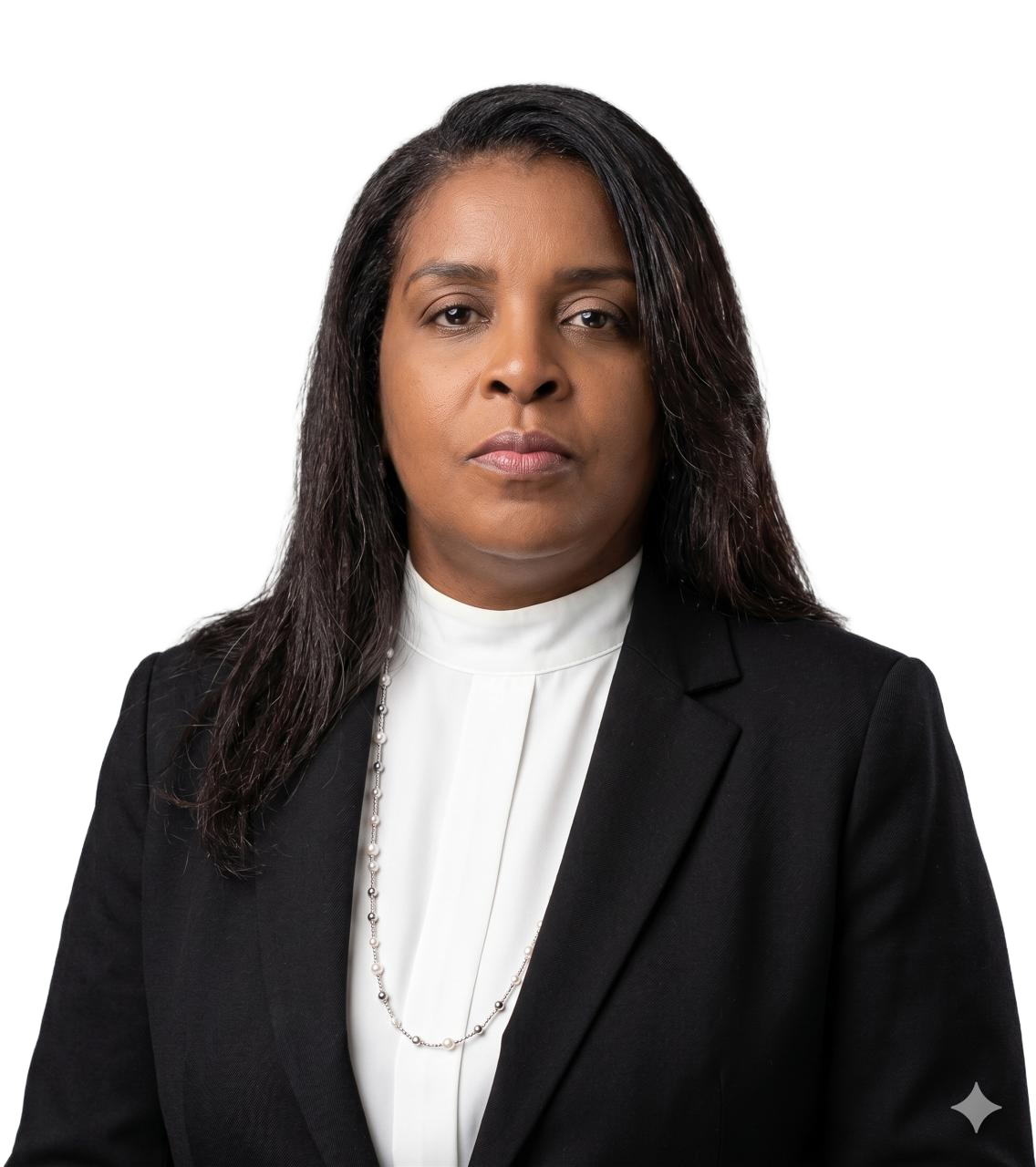
Collaboration became the new currency because development became more complex than any single entity can manage alone. The most effective initiatives are now built through coordinated ecosystems, where each stakeholder contributes a capability that others cannot replicate efficiently. This is exactly the framing UFC’s Principal CEO Dr. Stacee Lang puts forward in her book Collaboration Is the New Currency™: collaboration is not a feel-good add-on—it is an operating advantage when it is structured to perform.
This is what cross-sector development looks like in practice. Nonprofits bring trust, proximity to community needs, and delivery infrastructure for programs that require relationships, not just resources. Public sector stakeholders bring policy alignment, public accountability, and scaling capacity through systems that can reach entire regions. Private sector stakeholders bring operational efficiency, innovation, technology, and the ability to accelerate execution when the model is clear and the incentives are aligned.
Public-private collaboration sits at the center of this shift. When structured properly, it combines authority and agility. It makes it possible to deliver projects at scale while sustaining impact over time. This is why collaboration is no longer viewed as a support function. It is the engine. When collaboration is built correctly, it improves living standards because it makes development deliverable, measurable, and durable.
The Hidden Failure Mode
Why many collaborations do not produce results
Collaboration is easy to announce and hard to operate. The failure usually is not goodwill. It is structure. When collaboration relies on enthusiasm without clear accountability, it creates blind spots. Responsibilities overlap or disappear. Reporting becomes inconsistent. Timelines drift. Outcomes become difficult to defend. And the collaboration that was supposed to reduce risk ends up increasing it.
Here is the issue in plain terms. Collaboration does not fail because stakeholders are weak. It fails because execution is ungoverned.
Effective collaboration requires shared goals, defined roles, aligned incentives, compliance discipline, and a method for tracking progress. Without that foundation, collaboration creates activity without impact, and stakeholders lose confidence because results remain unclear.
UFC and Progressive Collaboration
Building coordination that improves communities
At United Federal Contractors (UFC), collaboration is not treated as relationships to maintain. It is treated as systems to build.
UFC acts as a pioneer in progressive collaboration development by connecting nonprofits, organizations, public agencies, and private-sector stakeholders into structured ecosystems designed to produce measurable outcomes. The goal is not collaboration for its own sake. The goal is community and economic development that can be executed responsibly and sustained long after the initial launch.
This work matters because improving living standards is not a single deliverable. It is an accumulation of outcomes. Increased access to services. Stronger workforce pathways. More resilient community programs. Better use of funds. Higher quality delivery. Long-term community stability.
Those outcomes do not happen in isolation. They happen when collaboration is designed to deliver.
The UFC Advantage
Collaboration measured by outcomes, not intentions
Collaboration becomes currency when it can be converted into results. UFC’s advantage is that collaboration is not only built. It is governed and executed.
That advantage shows up in four ways.
Measurable outcomes as the baseline
UFC prioritizes collaboration that defines success in concrete terms. Not vague progress. Not symbolic wins. Real outputs and outcomes that can be tracked, reported, and defended.
This matters because development is increasingly judged by evidence. Stakeholders want clarity on what changed, how it changed, and what will be sustained. UFC helps collaborations work backward from outcomes to design the structure required to achieve them.
Delivering results that matter
Execution is where credibility is earned. UFC keeps collaboration focused on results that improve communities and strengthen economic stability, not deliverables that look impressive but fail to move the needle.
When collaboration is disciplined, it accelerates delivery. It reduces duplication. It turns multiple streams of capacity into one coordinated effort.
Compliance, reporting, and performance discipline
Collaboration that touches public funding, grants, or regulated environments requires more than coordination. It requires compliance and reporting discipline that protects every stakeholder involved.
UFC strengthens collaboration by supporting the systems that hold ecosystems together under scrutiny. Documentation, reporting cadence, role clarity, and performance measurement are not administrative chores. They are credibility infrastructure.
Long-term relationship building that creates lasting value
UFC acts as a forerunner for long-term collaboration building because sustainability is not a hope. It is a design requirement.
Short-term collaboration can create quick wins. Long-term collaboration creates transformation because it survives staff turnover, funding cycles, and shifting community needs. UFC prioritizes ecosystems that produce durable value for all stakeholders and create a foundation future initiatives can build on.
Collaboration That Creates Lasting Value
The stakeholder equation
The strongest collaboration is not transactional. It is a mutually beneficial structure that compounds over time.
Lasting value is created when stakeholders understand exactly what they are responsible for. Stakeholders can see the results in measurable form. Communities experience improvements that match real needs. Public sector objectives align with delivery capacity. Private-sector contribution is tied to tangible impact, not branding. Nonprofit expertise is integrated into design, not used as an afterthought.
When collaboration meets those conditions, it does more than complete projects. It builds regional capability. It strengthens trust. It increases the likelihood of future funding and future collaboration because success becomes repeatable.
This is how collaboration becomes currency. It creates a track record. It builds institutional credibility. It turns one initiative into momentum.
The Foundation for the Future
Why the collaboration era is not going away
The collaboration era is not a trend. It is a response to how development actually works now.
Communities are demanding results. Funding systems are rewarding discipline. Challenges are becoming more interconnected. The organizations that lead will be the ones that can build collaboration that is accountable, compliant, and outcomes-driven.
UFC’s role in this landscape is clear. UFC helps structure collaboration across nonprofits, organizations, public agencies, private-sector stakeholders, and public-private ecosystems to drive development that improves living standards and strengthens communities. It is not collaboration as language. It is collaboration as execution.
Because in the new market reality, the currency is not only money. The currency is the ability to align the right stakeholders, deliver measurable outcomes, and build lasting value that holds up over time.
Collaboration is the new currency. UFC helps make it spendable.