• About Us
  • Our Thinking
  • UFC Prime
  • Be a Subcontractor
  • Careers
  • Let’s Connect
  • Locations
United Federal Contractors
  • Capabilities
    • See how we help our clients
      • Artificial Intelligence
      • Business and Organizational Purpose
      • Business Resilience
      • Business Transformation
      • Climate Change and Sustainability
      • Corporate Finance and Strategy
      • Cost Management
      • Customer Insights
      • Digital, Technology, and Data
      • Diversity, Equity, and Inclusion
      • Innovation Strategy and Delivery
      • International Business
      • Manufacturing
      • Marketing and Sales
      • M&A, Transactions, and PMI
      • Operations
      • Organization Strategy
      • People Strategy
      • Pricing and Revenue Management
      • Risk Management and Compliance
      • Social Impact
      • Zero-Based Budgeting
  • Industries Served
    • Industries
      • Aerospace & Defense
      • Healthcare & Life Sciences
      • Technology & Cybersecurity
      • Real Estate & Construction
      • Energy & Environmental Services
      • Professional Services and Consulting Firms
      • Nonprofits and Educational Institutions
    • Collaboration
      • The Key to Our Government Contract Success
        At United Federal Contractors (UFC), our unparalleled success in government contracting stems from our unique ability to bridge the gap between the public and private sectors.
    • How We Make It Work
      • Strategic Partnerships for Excellence
        Our approach begins with identifying cutting-edge companies with proven capabilities in innovation and performance.
      • Collaboration in Action
    • UFC Advantage in Collaboration
      • Leveraging Innovation
        By integrating the latest technologies and methodologies from state-of-the-art companies, we introduce transformative solutions that enhance efficiency and impact.
      • Delivering Value Through Collaboration
  • Services
  • People
  • UFC Blog
  • Community
    • Community Engagement
      • UFC is dedicated to making a difference in the communities we serve. Our UFC Counts program allows employees to engage in meaningful community service across four main areas.
    • Employee-Led Initiatives
      • UFC supports our professionals’ volunteer activities, matching donations and encouraging them to lend their expertise to local nonprofit boards.
  • USG
  • UFGC
  • Academy
  • More
    • Consulting Services
    • Logistics
  • Menu Menu
  • Home
  • Industries Served
    • Collaboration
    • How We Make It Work
    • The UFC Advantage in Collaboration
    • Collaboration in Action
    • Delivering Value Through Collaboration
  • Services
    • Capabilities
    • Our Thinking
  • Consulting Services
  • Community Engagement
  • About Us
  • Let’s Connect
  • Locations
  • Join Us
    • People
    • UFC Prime
    • Careers
    • Be a Subcontractor
  • UFGC
  • USG
  • Logistics
  • UFC Blog
  • Academy
UFC Blog

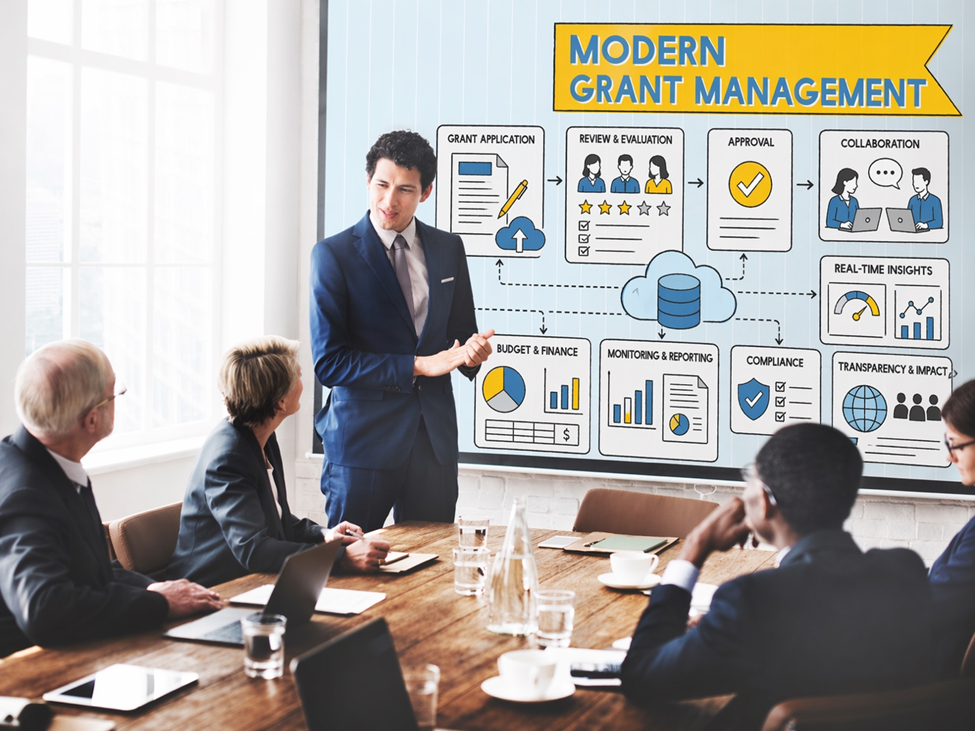
Building a More Modern Grant Management System

Grant management sits at the beating heart of any organization that depends on external funding to fulfill its mission. Without it functioning smoothly, even the most well-run businesses and nonprofits stall — delayed by paperwork, compliance missteps, and the slow erosion of funder confidence. Yet despite the undeniable importance of the function, many organizations are still running it on infrastructure that belongs in a different decade.

The reasons are understandable. Legacy systems persist because replacing them feels risky, expensive, and disruptive. Spreadsheets stick around because everyone already knows how to use them. But the costs of inaction are mounting. As grant portfolios grow more complex and funder expectations rise, organizations that cling to outdated methods find themselves increasingly outpaced by peers who have embraced modern solutions.

Modernizing grant management is not simply a technology upgrade — it is a strategic investment in the integrity, efficiency, and long-term credibility of your organization.

The weight of outdated systems

The challenges facing traditional grant management are not abstract. They show up every day in the form of duplicated effort, missed deadlines, and frantic last-minute reporting scrambles. To understand why modernization matters, it helps to look closely at where legacy approaches break down.

The most pervasive problem is the continued reliance on paper-based workflows and homegrown digital systems that were never designed to scale. Routing a grant application through a chain of email approvals might have worked reasonably well when an organization was managing a handful of awards. But multiply that across dozens of concurrent grants — each with its own deadlines, reporting requirements, and compliance conditions — and the cracks become chasms.

Manual data entry compounds the problem. Every time a number is typed by hand into a spreadsheet, there is a chance it is wrong. Every time a file is downloaded, modified, and re-uploaded, there is a chance the version someone else is looking at is already out of date. These are not hypothetical risks; they are the ordinary friction of systems built before cloud collaboration existed.

Information silos are another critical failure point. When different teams — program managers, finance offices, compliance staff, and external funders — are working from disconnected systems, coordination becomes expensive. Decisions get made on the basis of incomplete information. Communications fall through the gaps. And when something goes wrong, tracing the root cause can take longer than fixing it.

The cumulative effect of these issues is a slower, more error-prone process that strains the people responsible for running it. Grant managers, already stretched thin, spend disproportionate time on low-value administrative tasks instead of the strategic work that actually advances organizational goals. And funders, lacking visibility into how their money is being managed, grow understandably cautious.

Why modernization is no longer optional

The competitive dynamics of grant funding have changed. Funders — whether federal agencies, private foundations, or corporate giving programs — are more sophisticated than ever in their expectations. They want real-time visibility into how grants are progressing. They want clean, auditable financial records. And they want the organizations they fund to demonstrate that they are managing complexity with competence.


📈

BENEFIT

Transparency and accountability for every stakeholder

👥

BENEFIT

Real-time collaboration across teams and partners

⚡

BENEFIT

Automated workflows that eliminate bottlenecks

📊

BENEFIT

Data-driven decisions backed by live analytics


Organizations that can demonstrate strong grant management practices stand out. They win more awards, retain funders across grant cycles, and build the kind of institutional reputation that opens doors to larger and more complex funding opportunities. Conversely, organizations that cannot demonstrate these capabilities increasingly find themselves at a disadvantage — not because their programs are weaker, but because their administration signals risk.

Beyond the competitive dimension, there is a straightforward operational case for modernization. Better grant management means fewer errors, fewer compliance violations, and fewer costly course-corrections mid-project. It means staff who are less burned out and more effective. And it means program teams who spend more time delivering impact rather than managing paperwork.

“The organizations that thrive will be those that treat grant management not as an administrative burden, but as a core competency.”

The technology driving the shift

Modern grant management solutions are built around a few foundational capabilities that directly address the shortcomings of legacy approaches. Chief among them is cloud-based centralization.

Moving grant management to the cloud creates a single source of truth for every active grant. Program managers, administrators, reviewers, and funders all access the same information, in real time, from wherever they happen to be. The version control headaches that plague local file systems disappear. The email chains carrying outdated attachments become unnecessary. And the risk of someone making a consequential decision based on stale data drops sharply.

Automation is the second transformative lever. Modern platforms can handle the repetitive, rule-based tasks that consume so much staff time — things like deadline reminders, approval routing, budget tracking, and compliance flag generation. When these tasks run automatically, grant managers get time back. They can redirect that time toward higher-judgment work: building funder relationships, identifying potential compliance issues before they become violations, and helping program teams navigate the complexities of multi-grant portfolios.

Real-time data collection and analytics round out the picture. When grant activity is tracked systematically and continuously, organizations gain a live view of their entire funding portfolio. They can see which grants are on track, which are running behind, and where resources may need to be reallocated. Over time, this data also enables something more powerful: pattern recognition. Organizations can begin to understand which program types tend to run over budget, which compliance categories generate the most issues, and how to structure future grant applications for better outcomes.

Building trust through better reporting

Reporting is where the relationship between an organization and its funders becomes most tangible. And it is an area where the gap between legacy and modern approaches is especially stark.

With traditional methods, generating a funder report is often a labor-intensive exercise in data gathering, reconciliation, and formatting. Information lives in different systems — or no system at all — and has to be manually assembled into a coherent narrative. The process is slow, error-prone, and often stressful for the staff responsible for it.

Modern platforms automate much of this work. Because data is being collected continuously and systematically, reports can be generated quickly and accurately, with full audit trails that demonstrate exactly where funds went and what was accomplished. This capability does more than save time — it fundamentally changes the nature of the funder relationship. When an organization can consistently produce clear, accurate, and timely reports, it signals something important: that it is the kind of partner a funder can trust with increasingly significant resources.

Making the transition

Modernizing grant management is not a switch that gets flipped overnight. It requires careful planning, stakeholder buy-in, and a willingness to invest in both technology and the training needed to use it well. Organizations should expect a transition period during which old and new systems run in parallel, and should plan for the change management work that accompanies any significant shift in how people do their jobs.

The key is to approach the transition as a strategic initiative rather than an IT project. The goal is not simply to replace one set of tools with another — it is to fundamentally improve how the organization manages one of its most important functions. That framing changes what success looks like, and it changes who needs to be involved in making it happen.

Grant managers, program directors, finance teams, compliance officers, and organizational leadership all have a stake in how grant management works. Bringing them into the process early — surfacing their pain points, understanding their workflows, and getting their input on what a better system should look like — is essential to an implementation that sticks.

The bigger picture

At its core, grant management modernization is about more than efficiency. It is about building the operational foundation that businesses and nonprofits need to do their most important work: delivering programs, serving communities, and creating lasting impact.

That mission is hard enough without administrative friction holding it back. When grant management works the way it should — transparently, efficiently, and collaboratively — program teams can focus on delivery. Administrators can focus on adding strategic value. And funders can invest with confidence. That alignment of effort and trust is what modern grant management makes possible.

The organizations that recognize this — and act on it — will be better positioned to attract funding, retain staff, and sustain the kind of impact-driven work that endures well into the future.


Share this entry
  • Share on Facebook
  • Share on X
  • Share on Pinterest
https://unitedfederalcontractors.com/wp-content/uploads/2026/04/Building-a-More-Modern-Grant-Management-System.png 731 975 Stacee https://unitedfederalcontractors.com/wp-content/uploads/2026/03/UFC-LOGO-11-1.png Stacee2026-04-24 16:59:002026-04-24 19:14:34Building a More Modern Grant Management System

Latest Blog

  • Why ChatGPT Won’t Win You Government Contracts — And What Actually WillMay 7, 2026 - 1:22 am
  • AI in Project ManagementMay 1, 2026 - 4:10 pm
  • Building a More Modern Grant Management SystemApril 24, 2026 - 4:59 pm
  • What Type of Government Contract Are You Actually Signing?April 20, 2026 - 12:45 pm

Our Thinking

  • Why ChatGPT Won’t Win You Government Contracts — And What Actually Will
  • AI in Project Management
  • Building a More Modern Grant Management System
  • What Type of Government Contract Are You Actually Signing?
  • The Real Difference Between Grants and Government Contracts

Inner Circle:  Client-focus, Integrity, Reliability, Culture, Leadership, Excellence

Insights

  • Services
  • Industries Served
  • People
  • Consulting Services
  • Community Engagement
  • Be a Subcontractor
  • UFC Blog

Contact info

Hello@unitedfederalcontractors.com

+1 (312) 478-9831

3675 Crestwood Pkwy NW, Ste 400
Duluth, GA 30096
United States


Subscribe

Stay informed on government contracting insights, regulatory updates, and best practices by subscribing to our blog. Our articles cover topics from small business set-asides to cybersecurity compliance, providing ongoing value to contractors across industries.

Check your inbox or spam folder to confirm your subscription.

Each page provides clear, value-driven messaging that conveys UFC’s unique strengths, detailed service offerings, and commitment to client success.

This structure and content emphasize UFC’s comprehensive services, reliability, and expert guidance in navigating the complexities of federal contracting and grants.

  • More About Us

Inner Circle:  Client-focus, Integrity, Reliability, Culture, Leadership, Excellence

Insights

  • Services
  • Industries Served
  • People
  • Consulting Services
  • Community Engagement
  • Be a Subcontractor
  • UFC Blog

Contact info

Hello@unitedfederalcontractors.com

+1 (312) 478-9831

3675 Crestwood Pkwy NW, Ste 400
Duluth, GA 30096
United States

  • Contact Us


Subscribe

Stay informed on government contracting insights, regulatory updates, and best practices by subscribing to our blog. Our articles cover topics from small business set-asides to cybersecurity compliance, providing ongoing value to contractors across industries.

Check your inbox or spam folder to confirm your subscription.

Each page provides clear, value-driven messaging that conveys UFC’s unique strengths, detailed service offerings, and commitment to client success.

This structure and content emphasize UFC’s comprehensive services, reliability, and expert guidance in navigating the complexities of federal contracting and grants.

  • Contact Us
  • Terms Of Service
  • Privacy Policy
  • Disclaimer

Disclaimer: The content shared, including potential earnings and success stories, is for example purposes only. Individual outcomes will vary based on factors such as experience, skills, and dedication. Results are not typical or guaranteed

© UnitedFederalContractors.com

What Type of Government Contract Are You Actually Signing?AI in Project Management
Scroll to top

This site uses cookies. By continuing to browse the site, you are agreeing to our use of cookies.

OKLearn more×

Cookie and Privacy Settings


How we use cookies

We may request cookies to be set on your device. We use cookies to let us know when you visit our websites, how you interact with us, to enrich your user experience, and to customize your relationship with our website.

Click on the different category headings to find out more. You can also change some of your preferences. Note that blocking some types of cookies may impact your experience on our websites and the services we are able to offer.

Essential Website Cookies

These cookies are strictly necessary to provide you with services available through our website and to use some of its features.

Because these cookies are strictly necessary to deliver the website, refusing them will have impact how our site functions. You always can block or delete cookies by changing your browser settings and force blocking all cookies on this website. But this will always prompt you to accept/refuse cookies when revisiting our site.

We fully respect if you want to refuse cookies but to avoid asking you again and again kindly allow us to store a cookie for that. You are free to opt out any time or opt in for other cookies to get a better experience. If you refuse cookies we will remove all set cookies in our domain.

We provide you with a list of stored cookies on your computer in our domain so you can check what we stored. Due to security reasons we are not able to show or modify cookies from other domains. You can check these in your browser security settings.

Other external services

We also use different external services like Google Webfonts, Google Maps, and external Video providers. Since these providers may collect personal data like your IP address we allow you to block them here. Please be aware that this might heavily reduce the functionality and appearance of our site. Changes will take effect once you reload the page.

Google Webfont Settings:

Google Map Settings:

Google reCaptcha Settings:

Vimeo and Youtube video embeds:

Privacy Policy

You can read about our cookies and privacy settings in detail on our Privacy Policy Page.

Accept settingsHide notification only

Marwan Mashaly

Grant Specialist

Areas of Expertise

Grant Research & Funding Opportunity Identification
Proposal Writing & Development
Compliance & Reporting

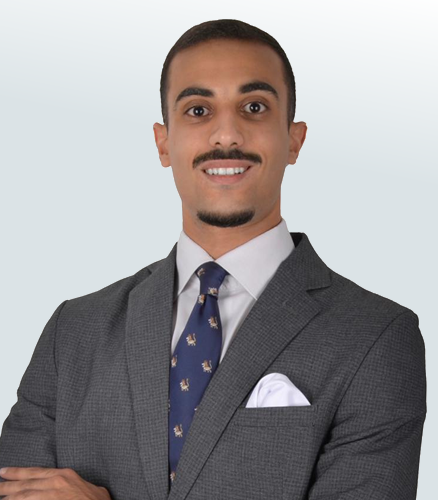
Marwan Mashaly supports grant development and funding strategy efforts by identifying and pursuing opportunities aligned with client goals and eligibility. As a Grant Specialist at United Federal Contractors, Marwan develops competitive grant proposals, coordinates cross-functional inputs, and ensures compliance with funder requirements. His work strengthens clients’ capacity to secure and manage funding effectively, contributing to sustainable program growth and long-term impact.

Mila Montgomery

VP of International Business Strategy & Consulting

Areas of Expertise

Global Business Strategy & Market Expansion
International Consulting & Advisory
Cross-Cultural Communication & Negotiation

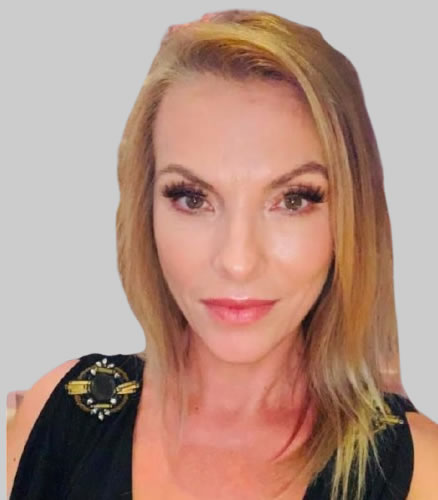
Mila Montgomery leads the company’s international business strategy, ensuring successful market expansion and consulting services for clients worldwide. As VP, she advises on global business opportunities, fostering partnerships and driving international growth. Mila’s expertise in cross-cultural communication ensures that the company successfully navigates global markets.

Dr. Terry L. Mills

Senior Strategist for Grants & Systems Change

Areas of Expertise

Strategist, Executive Leader, and Scholar

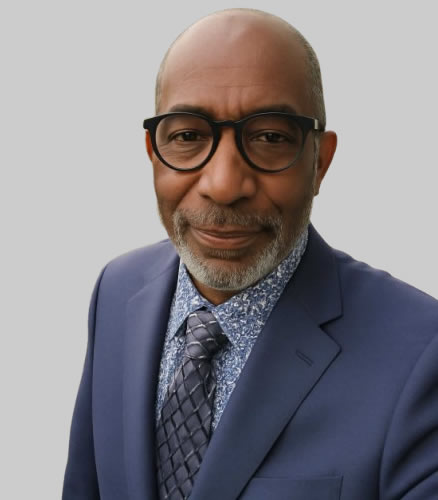
Dr. Terry L. Mills is a nationally distinguished strategist, executive leader, and scholar whose career has been defined by advancing institutional transformation, securing large scale funding, and driving systemic change. Holding a Ph.D. in Sociology and Gerontology from the University of Southern California, Dr. Mills brings unmatched expertise at the intersection of research, equity, and organizational innovation.

Over three decades of leadership, Dr. Mills has held pivotal roles that shaped universities and research enterprises. As Assistant Provost for Diversity and Inclusion at John Carroll University, he advanced inclusive excellence across the academic enterprise. At Morehouse College, he served as Dean and Director of Sponsored Programs, where he oversaw a sixteen million dollar research portfolio and expanded the College’s reach through federal, corporate, and foundation partnerships. He also served as Dean for Humanities and Social Sciences at Morehouse, strengthening academic programs and faculty excellence, and as Professor of Sociology at the University of Florida, where he mentored scholars and advanced nationally recognized research.

Dr. Mills has successfully led and executed federally funded initiatives including the First in the World program, Upward Bound, and McNair Scholars, in addition to securing transformative Mellon Foundation grants. His leadership reflects a unique ability to align federal priorities, philanthropic investments, and institutional missions to deliver measurable outcomes that expand opportunity and impact.

A Fellow of the Gerontological Society of America, Dr. Mills is internationally recognized for his scholarship on aging, health disparities, and organizational culture. His thought leadership has influenced national policy and academic discourse through service on National Institutes of Health advisory panels, editorial boards of leading journals, and as a sought after evaluator and consultant. His enduring impact has been honored with prestigious awards including the University of Florida Presidential Medallion for Distinguished Service.

Dr. Mills is widely regarded as a transformative leader who brings vision, strategy, and execution to every initiative. With a proven record of securing resources, building institutional capacity, and catalyzing systemic change, he empowers organizations to achieve results that extend far beyond their walls, impacting communities, shaping policy, and advancing equity on a national scale.

Joanne Tondo

Client Success & Experience Strategist United Federal Contractors

Areas of Expertise

Client Relationship Management & Retention
Experience Design & Service Optimization
Strategic Engagement & Satisfaction Metrics

Joanne Tondo leads client success initiatives at United Federal Contractors, ensuring that every partnership is supported with excellence and care. As Client Success & Experience Strategist, she develops and implements strategies that enhance client engagement, drive satisfaction, and foster long-term collaboration across the organization’s federal and commercial networks.

Atty. Derrick B. Reese, J.D.; LL.M

Corporate Counsel United Federal Contractors

Areas of Expertise

Corporate & Government Contract Law
Risk Mitigation & Regulatory Compliance
Contract Negotiation & Legal Strategy

Atty. Derrick B. Reese serves as Corporate Counsel for United Federal Contractors, providing expert legal guidance across all business operations. With advanced legal training and deep experience in federal contracting, he ensures compliance with complex regulations, advises on strategic partnerships, and safeguards the organization through proactive legal oversight and risk management.

Don Hardiman

Sports & Athletics Director United Federal Contractors

Areas of Expertise

Athletic Program Design & Implementation
Team Building & Physical Readiness Training
Compliance, Wellness, & Performance Standards

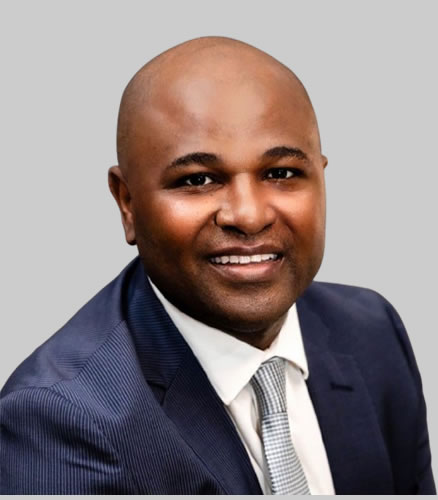
Don Hardiman leads the strategic development and oversight of sports and athletics initiatives across United Federal Contractors’ national network. As Sports & Athletics Director, he ensures programs enhance physical fitness, promote teamwork, and meet rigorous federal compliance standards. Don drives performance optimization through structured training, wellness integration, and collaborative leadership.

Akwasi Oppong

Senior Vice President, Global Trade & Strategic Partnerships

Areas of Expertise

International Trade & Commerce – Expert in global import/export operations across diverse industries, including food commodities, medical equipment, and industrial supplies.

Aviation & Logistics Solutions – Specializing in aircraft repairs, parts procurement, and comprehensive logistics and transportation strategies.

Strategic Deal Evaluation & Negotiation – Skilled in assessing business opportunities, structuring high-value deals, and leading complex negotiations for global expansion.

As Senior Vice President of Global Trade & Strategic Partnerships, Akwasi Oppong is a driving force in international commerce, logistics, and business development. With a vast portfolio spanning aviation, medical technology, food commodities, and transportation, he brings unparalleled expertise in evaluating lucrative business opportunities and executing high-stakes negotiations. His strategic mindset and deep industry knowledge ensure that every deal maximizes growth, efficiency, and profitability. Akwasi’s ability to navigate complex global markets makes him an invaluable asset in advancing international trade and commerce.

Bishop Brian Keith Williams

Managing Director & Head of Faith-Based & Community Initiatives

Areas of Expertise

Faith-Based and Community Engagement Strategies
Public-Private Partnerships & Stakeholder Collaboration
Program Development & Mission-Driven Outreach

As Managing Director and Head of Faith-Based & Community Initiatives, Bishop Brian Keith Williams leads UFC’s efforts to build strong relationships with faith communities and community-based organizations. With a deep understanding of ministry, social impact, and collaborative development, he champions inclusive initiatives that align spiritual values with practical outcomes. His leadership ensures UFC remains a trusted bridge between government resources and underserved communities.

Lynn Hardiman

Corporate Secretary & Governance Lead

Areas of Expertise

Corporate Governance & Board Support
Compliance & Risk Management
Regulatory Affairs & Policy Oversight

Lynn Hardiman serves as Corporate Secretary, managing corporate governance processes and supporting the board of directors. As Governance Lead, Lynn ensures that the company adheres to legal and regulatory requirements, maintaining transparency and accountability in all corporate dealings. Her focus on governance structures strengthens the company’s compliance framework.

Eileen Wisor

General Counsel & VP of Contract Management

Areas of Expertise

Legal Strategy & Contract Negotiation
Regulatory Compliance & Risk Mitigation
Corporate Governance & Ethics

Eileen Wisor provides legal guidance and leadership, ensuring that all contracts, agreements, and business activities comply with legal and regulatory requirements. As General Counsel and VP of Contract Management, Eileen leads contract negotiation efforts and provides critical oversight on legal matters, protecting the company’s interests and reputation.

Heriberto Cepeda

Managing Director of Energy Solutions & Electric Vehicles

Areas of Expertise

Renewable Energy Solutions & Technology
Electric Vehicle Development & Integration
Environmental Sustainability & Innovation

Heriberto Cepeda leads the company’s energy solutions and electric vehicle initiatives, focusing on the development and deployment of sustainable technologies. As Managing Director, Heriberto works to drive innovation in energy production and consumption, ensuring that the company contributes to environmental sustainability through cutting-edge energy solutions.

Stacy Ramos

Managing Director of Social Services & Youth Development

Areas of Expertise

Social Services & Community Outreach
Youth Development & Program Management
Social Impact & Community Empowerment

Stacy Ramos leads the company’s efforts in social services and youth development, designing programs that positively impact underserved communities. As Managing Director, Stacy works to empower youth and families, providing resources and support that help drive social change. Her work ensures the company’s commitment to social responsibility and community development.

Geo Sustento

Executive Assistant & Strategic Project Coordinator

Areas of Expertise

Executive Support & Project Coordination
Strategic Planning & Resource Management
Cross-Functional Team Collaboration

Geo Sustento provides high-level executive support to Dr. Stacee Lang while coordinating strategic projects across the organization. As Executive Assistant and Project Coordinator, Geo ensures the alignment of company initiatives, facilitates smooth communication, and drives the successful execution of key projects.

Jessica Myers

Managing Director of Real Estate Development & Investment

Areas of Expertise

Real Estate Development & Market Analysis
Investment Strategy & Financial Modeling
Property Management & Portfolio Growth

Jessica Myers leads real estate development and investment strategies, overseeing project execution and financial growth. As Managing Director, Jessica drives property acquisitions, market analysis, and investment opportunities, ensuring successful project completions and a strong return on investment. Her work shapes the company’s real estate portfolio and drives long-term value.

Dr. Lawana Long

Chief of Educational Strategy & Research

Areas of Expertise

Curriculum Design
Educational Strategy & Research
Policy Analysis

Dr. Lawana Long is a respected leader in education and research with extensive experience in academic strategy, program development, and evidence-based innovation. As Chief of Educational Strategy & Research at United Federal Contractors, she directs the integration of scholarly research into practical solutions that advance client success in federal funding and contracting.

Her expertise spans curriculum design, policy analysis, and program evaluation, enabling UFC to position its clients with proposals that are both competitive and compliant. Dr. Long is recognized for her ability to translate complex research into actionable strategies, ensuring that educational and workforce initiatives achieve measurable outcomes and long-term sustainability.

With a reputation for academic rigor, strategic insight, and results-oriented leadership, Dr. Long strengthens UFC’s mission of empowering organizations nationwide. Her work ensures that clients benefit from research-driven frameworks, innovative program models, and credible pathways to expand their impact through federal opportunities.

Gary Johnson

Operating Advisor

Areas of Expertise

Operational Excellence & Process Optimization
Corporate Strategy & Business Development
Organizational Leadership & Stakeholder Relations

Gary Johnson oversees the day-to-day operations of the company, ensuring that all divisions operate efficiently and effectively. With a deep understanding of strategy and execution, Gary drives operational success while ensuring smooth collaboration across teams. His ability to align resources and priorities guarantees that organizational goals are consistently met with optimal performance.

Timothy Vondell Jefferson

Senior Consultant of Government Contracting Services

Areas of Expertise

Government Project Management & Oversight
Contract Compliance & Risk Management
Budgeting & Resource Allocation

Timothy directs the company’s government project portfolio, ensuring projects are delivered on time, within budget, and in compliance with all regulations. As Senior VP, Timothy leads cross-functional teams, coordinates resources, and manages all aspects of project delivery. His focus on efficient project execution and risk mitigation ensures that the company exceeds client expectations.

Ben Greene

Senior VP of Investment Strategy & Financial Operations

Areas of Expertise

Investment Strategy & Portfolio Management
Financial Planning & Analysis
Capital Allocation & Risk Management

Ben Greene is responsible for overseeing the company’s investment strategy and financial operations. As Senior VP, Ben manages the company’s portfolio and works closely with key stakeholders to optimize capital allocation. His focus on financial strategy ensures that the company is positioned for long-term success while minimizing risk and maximizing returns.

Marvin Rux

Senior VP of Nonprofit Business Development & Strategic Alliances

Areas of Expertise

Nonprofit Sector Business Development
Strategic Partnerships & Alliances
Program Expansion & Community Impact

Marvin Rux leads the company’s efforts in developing and expanding business opportunities within the nonprofit sector. As Senior VP, Marvin fosters strategic partnerships and alliances that align with the company’s mission to support community impact. His focus on growth within the nonprofit sector drives organizational impact and extends the company’s reach in addressing societal challenges.

Stephanie Lambert

Client Relations & Account Management

Areas of Expertise

Client Relationship Management
Strategic Account Growth & Retention
Customer Experience & Satisfaction

Stephanie Lambert is responsible for managing key client relationships and ensuring high levels of client satisfaction. Through strategic account management, Stephanie drives the retention and growth of client accounts, ensuring that clients receive the highest level of service. Her leadership focuses on creating value for clients, fostering long-term partnerships, and enhancing the overall customer experience.

Jennifer Golden

Senior VP of Public-Private Contracting & Financial Reporting

Areas of Expertise

Public-Private Partnerships & Contract Management
Financial Strategy & Reporting
Government Regulations & Compliance

Jennifer Golden oversees the company’s public-private contracts, ensuring smooth execution and compliance with regulations. As Senior VP, she leads financial reporting and strategic planning efforts, providing key insights for executive decision-making. Jennifer’s expertise in both contracting and financial reporting allows the company to maintain strong relationships with government agencies and private sector clients.

Dr. Monica McCoy

Chief of Corporate Governance & Policy

Areas of Expertise

Corporate Governance & Compliance
Policy Development & Risk Management
Legal & Ethical Oversight

Dr. Monica McCoy establishes and upholds the company’s governance framework, ensuring compliance with all regulations and policies. By developing and overseeing corporate policies, Monica mitigates risk and ensures that all organizational actions align with best practices, ethical standards, and legal obligations. Monica’s leadership ensures the company maintains its integrity and reputation in all business dealings.

Sean Best

Chief Technology Officer (CTO) & Innovation Lead

Areas of Expertise

Technology Strategy & Innovation
Digital Transformation & IT Infrastructure
Product Development & Cybersecurity

Sean Best spearheads the company’s technological direction, ensuring that innovation is at the core of all business operations. As CTO, Sean oversees the implementation of cutting-edge technology solutions and safeguards the organization’s infrastructure with robust cybersecurity measures. His focus on digital transformation and IT excellence helps the company remain a leader in its industry.

Dr. Larry Lewis

Chief Peak Performance Officer

Human performance systems, executive resilience, physical and cognitive optimization, and sustainable capacity building for leaders and teams operating at scale.

Dr. Larry Lewis is the executive authority responsible for governing human performance as institutional infrastructure. As Chief Peak Performance Officer, he ensures that leaders and teams maintain the physical endurance, mental clarity, and execution capacity required to perform under sustained pressure.

Dr. Lewis operates at the intersection of health science, performance conditioning, and organizational excellence. He designs structured training systems, accountability frameworks, and lifestyle optimization protocols that produce measurable, long-term performance outcomes rather than short-term gains.

His work reframes wellness from a benefit into a strategic operating layer. Under his leadership, physical health, mental stamina, and disciplined habits are embedded into organizational culture as drivers of productivity, focus, and resilience.

Dr. Lewis’s methodologies are built for high-demand environments where performance degradation is costly and endurance is non-negotiable. He conditions individuals and organizations to scale without breakdown, ensuring that growth is supported by people capable of carrying its weight.

His leadership is disciplined, systems-oriented, and results-driven. He does not optimize for appearance or trends. He governs for capacity, longevity, and sustained excellence.

To operate within his performance systems is to build endurance into success.
To scale under his leadership is to grow stronger with demand.
To be guided by his standards is to perform at peak levels consistently.

Dr. Stacee Lang, Ph.D., Ed.D.

Founder and Chief Executive Officer

Government capital systems, institutional wealth architecture, federal compliance intelligence, executive command, and large-scale organizational transformation through proprietary technology.

Dr. Stacee Lang is a founder-architect operating at the intersection of capital, technology, and institutional power. She designs systems that move governments, markets, and missions at scale.

Her work reflects the rare class of leaders who do not simply participate in existing frameworks, but build the frameworks others operate within.

As Founder and Chief Executive Officer, Dr. Lang leads with A² Intelligence, a proprietary operating model that integrates Artificial Intelligence with authentic human expertise to create institution-grade funding and compliance systems. This architecture governs how capital is identified, structured, deployed, and sustained across complex public and private ecosystems.

Dr. Lang is the mind behind advanced platforms that convert government capital into enduring economic infrastructure. Her systems are engineered to withstand scrutiny, scale across jurisdictions, and perform under the highest regulatory and financial demands. She does not chase opportunity. She constructs environments where opportunity converges.

With dual doctoral training and deep command of federal mechanisms, Dr. Lang operates at the level where policy, data, compliance, and execution merge. She encodes intelligence into systems, discipline into operations, and foresight into institutional design. Under her leadership, capital flow is not episodic or speculative. It is engineered, repeatable, and durable.

Her leadership style is decisive and architectural. She governs from the system layer, setting standards that outlast cycles, administrations, and markets. Organizations under her direction are not merely funded. They are repositioned.

In an era defined by builders who think in decades rather than quarters, Dr. Lang stands among those shaping the next generation of institutional power. Her work speaks in results, her systems speak in scale, and her leadership speaks in permanence.

To follow her is to understand how capital truly moves.

To partner with her is to operate at institutional altitude.

To be led by her is to participate in systems designed to endure